
Since the food self-sufficiency policy was strengthened in 1984, rice has undeniably become king on Indonesian plates. Achieving food security is a monumental achievement. However, behind the title of “self-sufficiency” lies a consequence that is rarely discussed: monoculture on our plates. Cassava, sweet potatoes, sago, corn, and sorghum have slowly been pushed to the sidelines, considered “second-class foods” or mere snacks.
In fact, these local food crops are not only cultural heritage, but also pillars of greater resilience. They are often more drought-resistant, require less water and fertilizer than rice, and thrive on marginal land.
How did we forget the taste of our own land? The policy focuses on rice, and while its goals are good, it inadvertently establishes a stiff “food hierarchy.” Markets, supply channels, and even social aid programs are built around rice. The younger generation is gradually losing recognition of tiwul (processed cassava) as a staple cuisine and papeda as a main dish. Knowledge of the preparation and deliciousness of these native cuisines is dwindling, replaced by the uniformity of white rice.
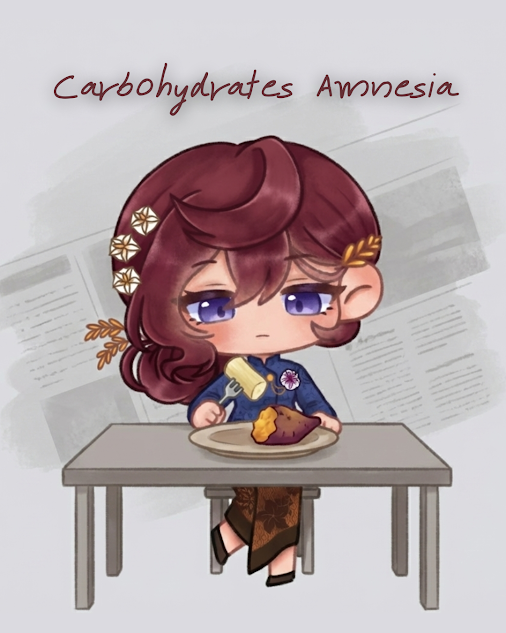
This “carbohydrate amnesia” is not really about taste, it’s about habit. Over time, our choices have quietly narrowed. When the weather inevitably turns unpredictable and food supplies are disrupted, we will realize how fragile that habit can be. Depending on one staple leaves little room to adapt.
Remembering local carbohydrates doesn’t mean abandoning rice or denying its importance. Rice has earned its place but there used to be more space on the table. Cassava, sago, and sorghum were once everyday foods, cooked without ceremony and shared without explanation. They can be everyday consumption once again through school meals, home kitchens, and markets that treat them as normal.
This is about reconnecting with what grows around us. Eating local staples is a quiet kind of resilience, passed down through recipes rather than policies. By making room for these foods once more, Indonesia isn’t moving backward, rather it’s remembering how to move forward with a food culture that is flexible, grounded, and unmistakably its own.
-Adinda Larasati Pratikna & Nashita Ardelia Rohman-